


Tom Daccord
10,000+ Teachers Trained. 15 Years of Global Leadership. Let’s Transform Your AI Journey.


AI for World Languages
Language learning is entering an extraordinary new era. Traditional instruction is often constrained by textbooks, worksheets, and limited conversation practice, but has now expanded into a rich, multimodal experience thanks to artificial intelligence. AI tools enable learners to practice authentic communication, explore cultural contexts, and receive personalized assistance in unprecedented ways.
Today's language learners can engage in natural voice conversations with AI tutors, generate audio explanations of complex grammar points, and create video scenarios for practice. They can receive instant feedback on their speaking skills or virtually transport themselves to countries where their target language is spoken. These multimodal learning opportunities remain available whenever and wherever students need them.
—adopted from How Multimodal AI is Transforming Language Learning by Tom Daccord
—————
Unique Opportunities with AI in World Languages
In world languages, AI shines in a few high-leverage areas:
Speaking practice at scale (role-plays, fluency reps, listening response)
Scaffolds that maintain rigor (same communicative goal, different supports)
Feedback loops that don’t crush teacher time (narrow, usable feedback targets)
Cultural context and immersion (artifacts, images, real-world situations)
—————
Spotlight: Speaking Practice At Scale
Language teachers know that if you want to speak a new language … speak the language. But often students are uncomfortable speaking in front of their peers, and there is relatively little class time each day to practice speaking. To complicate matters, language partners may not be readily available to students.
Fortunately, in recent years, a new generation of AI-powered language learning tools has emerged to help students practice speaking in world languages. Unlike traditional apps focusing on drills or vocabulary, AI tutors can engage learners in open-ended conversations – from ordering coffee in Spanish to debating a topic in French – all in a low-pressure, private environment.
— adopted from AI-Powered Language Speaking Practice: An Extensive Review of Top Tools for Learners by Tom Daccord
————
Sample Activities: Speaking Practice at Scale
The evolution of AI Large Language Models from a text-based chatbot to an interactive voicebot—ChatGPT Voice, for instance—is one of the most exciting developments in the language- learning digital space. Initially, I used it simply as a casual conversation partner, asking questions and seeking general feedback. It was fun, but it wasn’t terribly efficient.
I realized I wasn’t thinking carefully about how to prompt the AI to provide structured speaking activities. I needed a way to home in on specific weaknesses and create a progression of difficulty. This led me to experiment with practical yet challenging voice exercises designed to push me past a plateau.
In all, I developed 10 structured and prompt-driven extended speaking exercises to push my language speaking abilities to a new level.
Here is one of them:
1) Timed “Sprints”
One of the biggest challenges in language acquisition is retrieval speed. In a real-world conversation with a stranger in Medellín, I only have a second or two to respond before the “window of opportunity” closes. Even when my confidence is high, I know that specific triggers—regional expressions or complex verb tenses—can easily trip me up.
To try and combat this, I use ChatGPT Voice for Timed Sprints. These are basically high-intensity drills designed to make a specific grammatical response “more automatic.”
The Setup: Conquering the Subjunctive Let’s take the (notoriously annoying) subjunctive. Instead of just “chatting” about it, I built a targeted drill. I provide ChatGPT with specific parameters:
The Task: Ask me 10 short questions requiring my use of the subjunctive.
The Constraint: Focus exclusively on -AR verbs in the present subjunctive.
The Pressure: Allow only four seconds for my response.
The Progression: “Laddering Up” I usually begin with a “B1 target” to find my rhythm. Once I’m in a groove with -AR verbs, I’ll rotate through -ER and -IR endings, and finally move to irregulars. To increase the cognitive load, I’ll ask ChatGPT to drop the response window to only two seconds.
If I’m feeling confident, I’ll “ladder up” to a B2 level. I’ll prompt the AI for a new series of questions requiring the Imperfect Subjunctive, and force variety by switching between different pronouns (nosotros, ellos, etc.).
Why It Works By the end of a twenty-minute session, I have a clear map of my hesitations. I can identify exactly which structures cause hesitation in my speech and refine my next sprint accordingly. It’s a low-frills, high-impact method for sharpening responsiveness and ensuring that when I step out into the streetsz my “internal processor” is ready for the speed of real life.
(learn more: Beyond the Streak: How I Use ChatGPT Voice to Break the Language Plateau by Tom Daccord)
Below is an interative resources I created for World Language and ELL students
I used Claude Code to “vibecode” a prompt-driven, extended interactive resource. The tool would provide structured speaking routines designed for use with any AI voice tool (ChatGPT Voice, Gemini, Claude, etc.). Each activity would target a specific speaking skill, from retrieval speed to listening comprehension to grammatical flexibility, using deliberate practice.
In short, users are instructed to:
Select your language, CEFR level, and activity type from the dropdowns below.
Read the activity explanation to understand the routine.
Copy the Core Prompt into any AI voice tool (ChatGPT, Gemini, Claude, or similar).
Start the activity and speak out loud. Follow the routine as described.
—learn more: "Vibecoding" My Own Language Speaking App (And 2 Other AI Audio Experiments) by Tom Daccord
Try: AI-Powered Speaking Practice (below)


AI-Powered Speaking Practice
Structured voice routines for breaking the speaking plateau.
Most language learners hit a point where apps and exercises stop translating into real conversation. This tool provides structured, repeatable speaking routines designed for use with any AI voice tool. Each activity targets a specific skill, from retrieval speed to listening comprehension to grammatical flexibility, using deliberate practice under realistic conditions. Choose a language, a level, and an activity type, then copy the prompt into your preferred AI voice tool and start speaking.
How to Use
- Select your language, CEFR level, and activity type from the dropdowns below.
- Read the activity explanation to understand the routine.
- Copy the Core Prompt into any AI voice tool (ChatGPT, Gemini, Claude, or similar).
- Start the activity and speak out loud. Follow the routine as described.
- For an extra challenge, copy the Optional Constraints Prompt and paste it as a follow-up.
Select a language, level, and activity type above to get started.

Language learning stands at a transformative moment. Students can now access an unprecedented array of tools that engage multiple senses and learning modes. As AI capabilities expand, language teachers may discover innovative ways to design learning experiences that capture student interest, address individual needs, and accelerate language acquisition.”
-- Tom DaccordWork With Tom: Onsite & Online
-

Keynote Presentations
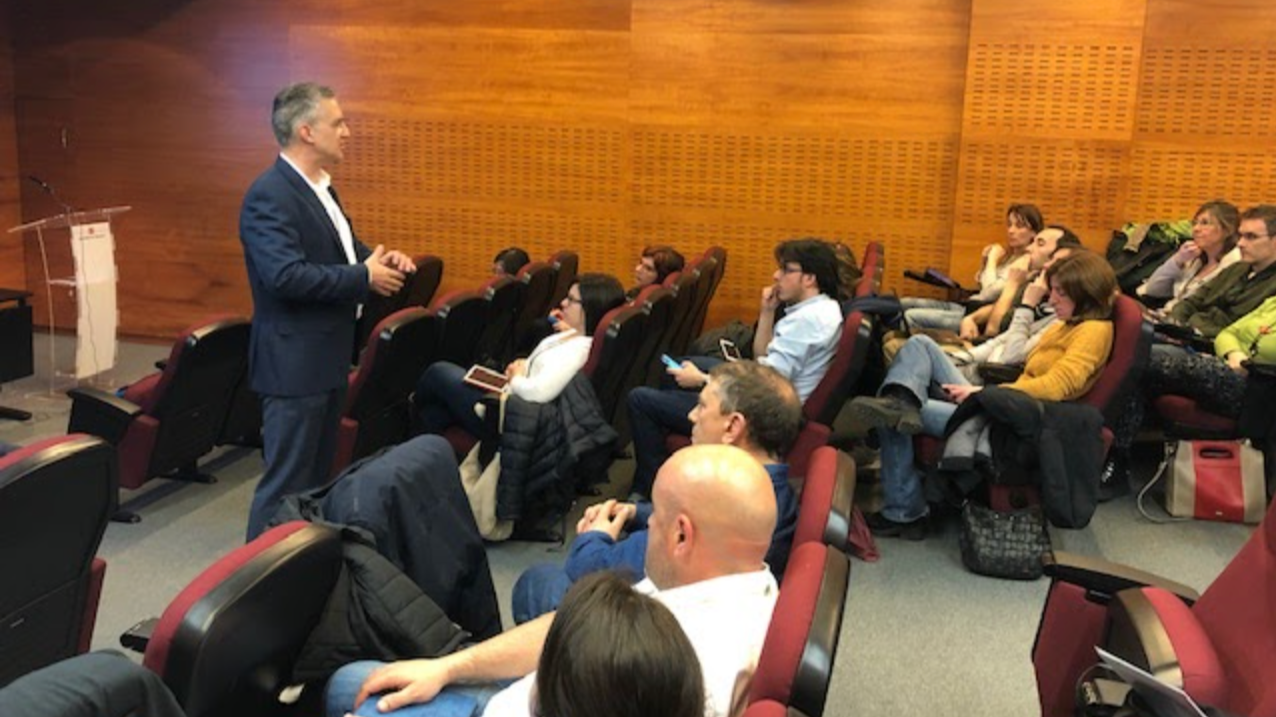
One-hour keynote presentation on AI in education — onsite or online — designed for larger groups, such as school faculty and administrators or college instructors.
-
Keynote + Sessions
One-hour featured keynote presentation on AI in education designed for larger groups, plus additional smaller-group sessions — onsite or online
-
Small Group Sessions
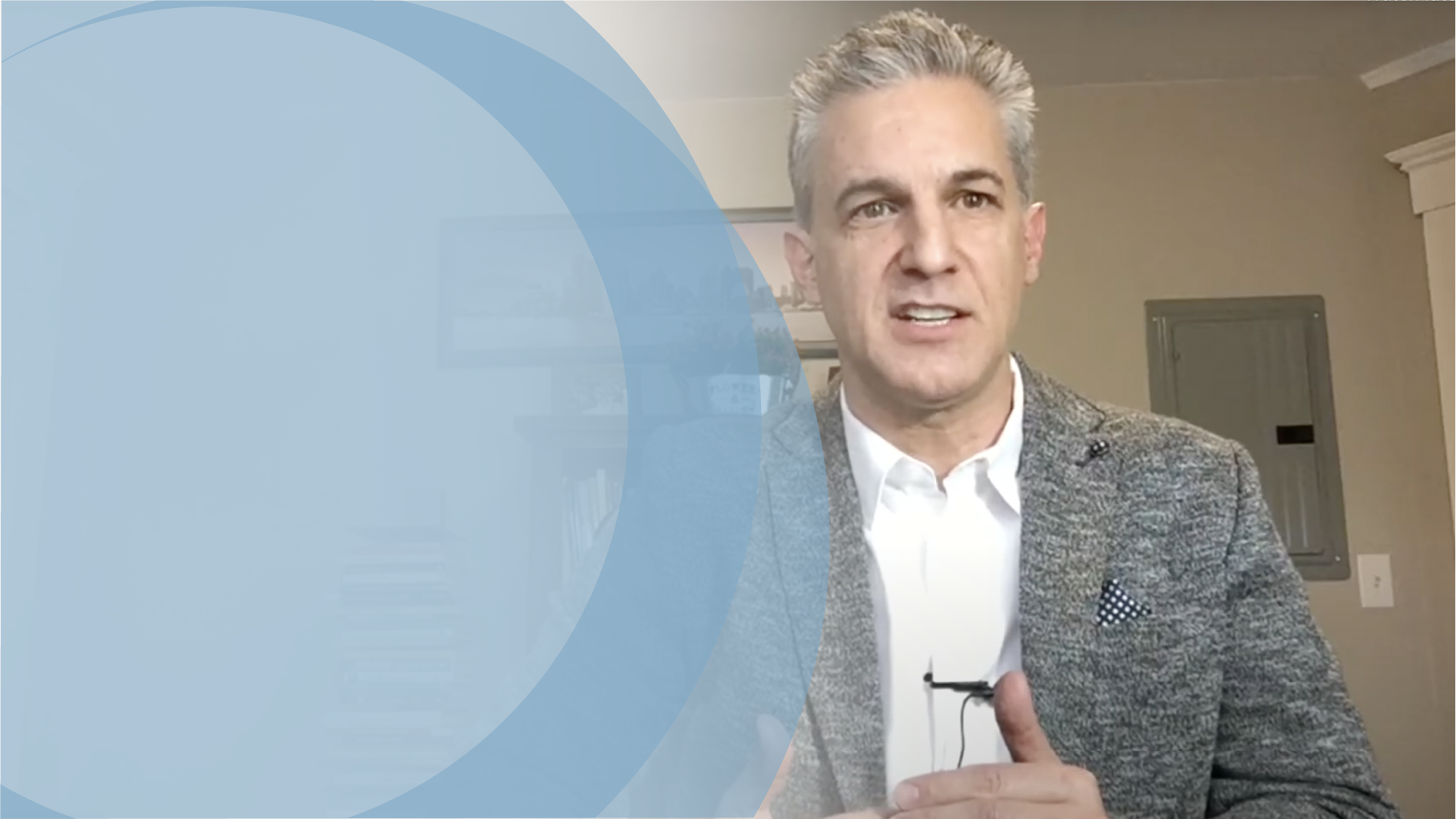
Online or hybrid programs designed for small groups, such as department-level teachers, grade-level teachers, and school edtech specialists.

Who is Tom Daccord?
An international education technology speaker for more than two decades, Tom presents in English, Spanish, and French and has authored four books on education technology.

🗣 Présentation en français

🗣Presentación en Español
